













































.png?format=1500w#)


 Large.jpeg?format=1500w#)







6 Functional Dumbbell Exercises for a Full-Body Workout


Functional dumbbell exercises train the movement patterns you use in workouts, sports, and everyday life. These six moves cover squatting, hinging, pushing, pulling, rotating, and bracing. Together, they challenge muscles throughout your body.
Scale each exercise with bodyweight, a lighter load, or a shorter range of motion. Use the guide below to learn the movements, build a balanced routine, and progress without letting form slip. Consult your physician before starting a new exercise routine.
Key Takeaways: Functional Dumbbell Exercises
-
Six functional dumbbell exercises can form a full-body routine when they cover squatting, hinging, pushing, pulling, rotating, and bracing, and TRX’s dumbbell equipment collection gives readers compatible weight options.
-
Start with bodyweight or light dumbbells, keep every repetition stable, and progress one variable at a time, such as load, reps, range, or rounds.
-
Organize the six moves into controlled rounds, use extra rest when form starts to change, and swap complex movements for easier options when needed.
-
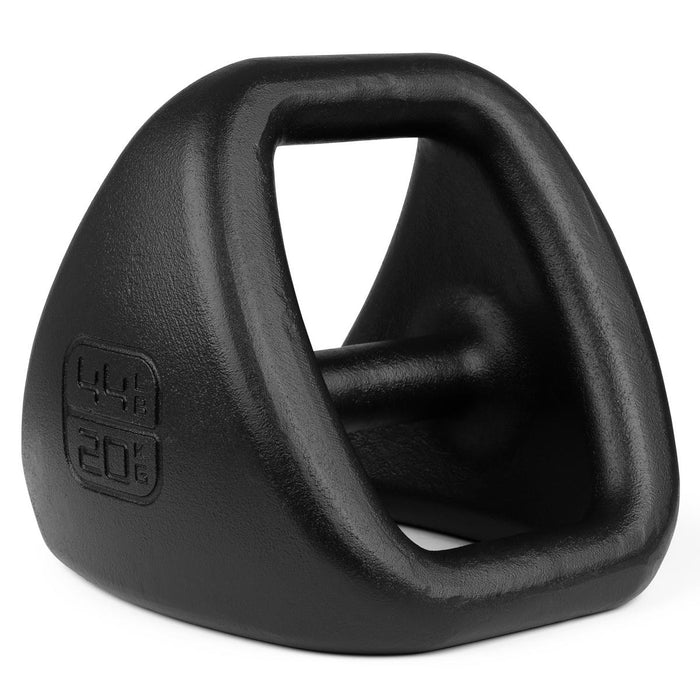
TRX YBell® uses a multi-handle design that shifts between dumbbell, kettlebell, double-grip medicine-ball, and push-up-stand positions, giving space-conscious trainees several loading options without separate equipment.
What Are Functional Exercises?
In practice, functional training builds strength for sports, workouts, and everyday tasks. It centers on compound exercises that engage several muscles and build core strength and stability.
In daily life, functional exercises use movement patterns from daily life, including squatting, climbing, pushing, pulling, hinging, twisting, carrying, lifting, and reaching. Many promote mobility. Regular practice can make these patterns feel more familiar and controlled.
Functional exercises share a few traits:
-
Recruit several muscle groups at once
-
Move joints through a controlled range of motion
-
Train movement across multiple planes
-
Build core strength and stability
-
Combine strength, endurance, mobility, coordination, balance, and speed
What Makes a Weight Useful for Functional Training?
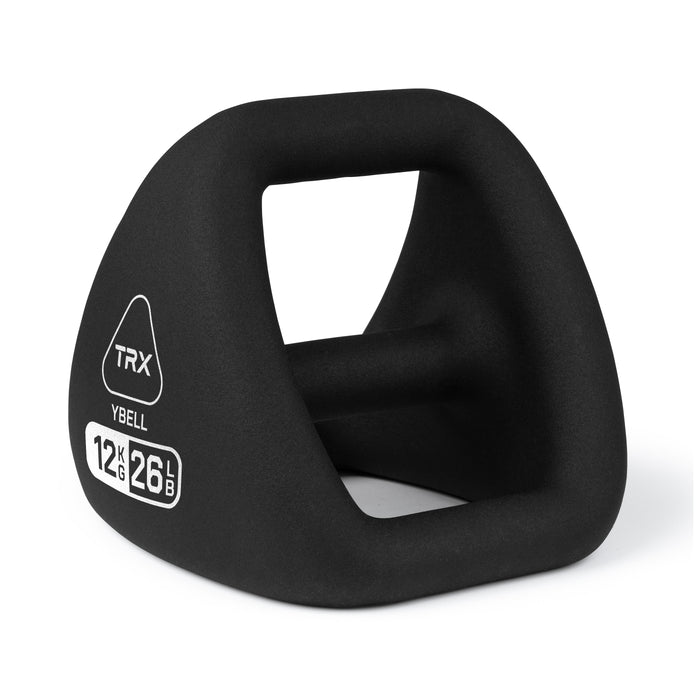
A useful functional-training weight lets you load several movement patterns without crowding your training space. TRX YBell® NEO uses multiple handles so the same weight can serve as a dumbbell, kettlebell, dual-grip medicine ball, or push-up stand.
Grip choice changes how the load sits in your hand. Use the center grip for rows and presses with dumbbell-style balance. Use the outer grip when a bottom-loaded feel fits the movement, or the top grip for push-up variations. Those options matter when your program covers several movement patterns but your training space is limited.
6 Functional Training Benefits
Functional training can support these goals:
-
Improves Mobility: Daily movement patterns take your joints through their available range of motion. Training that range under control can build strength where you need it.
-
Supports Athletic Performance: Full-body strength and stability can help you move with more control during sports and workouts.
-
Builds Everyday Strength: Functional training uses patterns found in tasks such as moving furniture, climbing stairs, carrying children, picking up groceries, opening doors, and pushing shopping carts.
-
Builds Strength, Stability, and Control: Functional exercises with weights can challenge balance, bracing, movement control, and strength. Choose a range and load you can manage with steady form.
-
Builds Work Capacity and Coordination: Compound patterns ask several muscle groups to work together. Consistent training can help you handle more work without letting your technique unravel.
-
Trains Your Full Body: Functional exercises teach muscle groups to work together instead of in isolation. That includes major muscles such as the glutes and abdominals plus smaller stabilizing muscles.
What Equipment Should You Use for Functional Training?
Start functional training with equipment that fits your space, experience, and goals. Bodyweight exercises are a practical first step because they let you learn each movement and control your range of motion.
If you plan to add functional fitness equipment for your home gym, consider these tools:
Dumbbells and YBells are part of a broader functional training setup. Other options include:
-
Kettlebells
-
Plyometric (plyo) box
-
Barbell + plates
-
Dumbbells
-
Medicine balls
-
Slam balls
-
YBell® Arc, Neo, or Pro
-
Push-up stands
Most commercial gyms stock many of these tools. Prioritize equipment that lets you move freely and train several muscle groups together.
Dumbbells can support a full-body workout on a limited budget. They are a practical way to learn functional exercises with weights. Here are six moves to start with.
6 Dumbbell Functional Exercises
Use this quick reference to compare the six dumbbell exercises. The repetition ranges are suggested starting points, so choose a version and load you can control.
|
Exercise |
Movement Pattern |
Main Muscles |
Suggested Reps |
Easier Option |
|
Bent-Over Row |
Pull / hinge |
Back, biceps, core |
12 to 15 |
Chest-supported row |
|
Jump Squat |
Squat / jump |
Quads, glutes, hamstrings, calves |
12 to 15 |
Bodyweight squat |
|
Dumbbell Squat Press |
Squat / press |
Legs, shoulders, triceps, core |
10 to 12 |
Bodyweight squat to reach |
|
Dumbbell X-Up |
Rotate / flex |
Abs, obliques, shoulders |
8 to 10 per side |
Bent-knee X-up without weight |
|
Plank Dumbbell Drag |
Brace / pull |
Core, back, glutes |
8 to 10 per side |
High plank or short drag |
|
Dumbbell Turkish Get-Up |
Ground-to-stand |
Full body |
8 to 10 per side |
Practice each phase without weight |
Start with a dynamic warm-up before loading the six moves. Use these bodyweight exercises to raise your temperature and practice the movement patterns. Take our fitness assessment for warm-up suggestions based on your current level and goals.
-
Sit-ups
-
Push-ups
-
Side plank
-
Knee-to-chest walks
-
Spiderman lunge
-
Inchworms
-
Frog squats
Dumbbells train far more than your biceps. The six full-body functional exercises below can work your arms, chest, core, glutes, and legs.
1. Bent-Over Rows
Bent-over rows target the arms, back, and shoulders while you hold a hip hinge. Keep the torso steady as you row the load toward your ribs.
How to Do Bent-Over Rows With Proper Form:
-
Stand with your feet shoulder-width apart and soften your knees. Hinge forward from your hips.
-
Keep your back flat and lower your torso until it is nearly parallel to the floor.
-
Your arms will hang in front of your legs, slightly wider than shoulder-width apart. Hold dumbbells of equal weight in each hand, with your palms facing in. This is your starting position.
-
Bend your elbows and row the dumbbells toward your ribs. Pause briefly as your legs, torso, and chest stay still.
-
Lower the dumbbells with control to return to the starting position. That is one rep.
-
Repeat for 12 to 15 reps.
Pro Tips:
-
Use a chest-supported row on an incline bench if you have trouble keeping your torso still.
-
For more support, perform the row face-down on a 45-degree or flat bench. Use an inverted row at a barbell rack for a bodyweight variation.
-
With a YBell, use the center grip for a dumbbell-style balance. Once the movement feels steady, use an outer grip for a bottom-loaded feel similar to a kettlebell.
2. Jump Squat
Jump squats target the hips and thighs while training lower-body power. Master the bodyweight squat and landing before adding speed or load.
How to Do a Jump Squat:
-
Stand tall with your feet shoulder-width apart, with a slight bend in your knees. Grip the floor with your feet and keep your weight evenly distributed.
-
Keep a neutral spine and tuck your chin. Keep your arms by your sides with a slight bend in your elbows. Pre-tension your shoulders and hips, and engage your core. This is your starting position.
-
Engage your glutes, push your hips back, and bend your knees to load your posterior chain. Lower into a squat and stop above parallel. Bring your hands behind your body and keep your chest upright.
-
Begin your jump by extending your knees and hips and explosively pushing through the ground. Swing your arms forward as you straighten your legs.
-
Your arms should be above your head, and your legs should be straight at the top of the jump.
-
Land softly on the balls of your feet with your knees slightly bent. Immediately lower down into a squat to repeat the movement.
-
Repeat for 12 to 15 reps.
Pro Tips:
If this combination is difficult for your coordination, you can focus on the squat and jump movements separately until each feels comfortable.
Hold a light free weight in each hand to progress the move. Dumbbells, YBell Arcs, and YBell Neos all work.
3. Dumbbell Squat Press
The dumbbell squat press, or dumbbell thruster, trains the full body by combining a squat with an overhead press. Dumbbells load each side independently and make the movement easy to scale.
How to Do a Dumbbell Squat Press:
-
Stand with your feet shoulder-width apart. Hold a set of dumbbells (or YBells, using a center grip) at your shoulders, with your palms facing each other. This is your starting position.
-
Inhale as you engage your core, push your hips back, and bend your knees to drop into a squat. Go as deep as you comfortably can, preferably going below parallel.
-
At the bottom of the squat, exhale and drive through your heels to stand. Use the upward momentum to press both dumbbells overhead until your arms are straight.
-
Bend your elbows and lower the weights back to your shoulders with control. This is one rep.
-
Repeat for 10 to 12 reps.
Pro Tip:
Keep your elbows slightly in front of your body instead of flaring them wide. This position can help you keep the weights stacked over your base as you press.
4. Dumbbell X-Up
The dumbbell X-up trains the abs through a cross-body sit-up and torso rotation. Begin without a weight and add one only after you can control the movement.
An exercise mat isn’t needed but can be helpful for added comfort.
How to Do a Dumbbell X-up:
-
Lie on your back with your arms and legs extended at an angle, forming the shape of an X. Tuck your chin to lengthen your neck. Place a dumbbell near your right hand, sitting up, so the handle is perpendicular to the ground. This is your starting position.
-
Inhale, bring your left arm over to your right side, and grab the dumbbell with both hands, bringing it to your right shoulder.
-
Exhale, and engage your core to lift your upper body off the ground. Simultaneously, rotate your torso to bring the dumbbell from your right side to the outside of your left knee. Your legs should remain flat against the ground during this upward movement.
-
Slowly reverse the movement to lower your torso back down and return the dumbbell back to the ground above your right shoulder. This is one rep.
-
Repeat for 8 to 10 reps on each side, alternating sides as you go.
Pro Tips:
If you’re struggling to keep your legs flat on the ground, try bending your knees (like you would for a classic sit-up) and focus on keeping your feet flat to the ground.
Begin slowly without a weight and focus on your form. Add a dumbbell after the rotation feels controlled. Keep your core braced each time you lift from the floor.
5. Plank Dumbbell Drag
The plank dumbbell drag adds a cross-body pull to a high plank. Keep your torso as steady as possible while one arm pulls the load across the floor.
How to Do a Plank Dumbbell Drag:
-
Start in a high plank on your palms and the balls of your feet. Stack your hands under your shoulders and press the floor away.
-
Form a straight line from your head to your ankles. Keep your back flat and your hips level. Place a dumbbell behind your left hand. This is your starting position.
-
Exhale and engage your core as you reach your right hand across your body to grab the dumbbell. Inhale as you drag it back to your right hand’s starting position.
-
Exhale and drag the dumbbell in a straight line down to your right leg. Inhale as you drag it back to your starting position.
-
Next, exhale and slide the dumbbell to the left, bringing it under your left arm. Inhale as you drag it back to the starting position.
-
Exhale as you slide the dumbbell diagonally toward your left ankle and raise your hips into a pike (an inverted V). Brace your glutes to limit hip rotation. Lower your hips and drag the dumbbell back as you inhale. That is one rep.
-
Repeat for 8 to 10 reps on each side, alternating sides as you go.
Pro Tips:
-
Keep a straight line from your head to your heels and limit torso rotation. Choose a load you can drag slowly without losing your plank.
-
Practice a standard plank until you can hold a steady position for 15 seconds. Then add one short drag toward your leg. Add side and diagonal drags only after you can control your hips and shoulders.
-
If you're using a YBell Neo or YBell Pro, start with the traditional center grip to mimic the dumbbell handle. Once you become comfortable with the movement, try dragging the YBell using the top grip for an added challenge to your balance.
6. Dumbbell Turkish Get-Up
As a full-body mobility exercise, the Turkish get-up uses a multi-step transition from lying to standing and back. Practice the sequence without a load before holding a dumbbell overhead.
The Turkish get-up is traditionally performed with a kettlebell, but a dumbbell works too. Practice each phase with bodyweight first, then add a light load once you can control every transition.
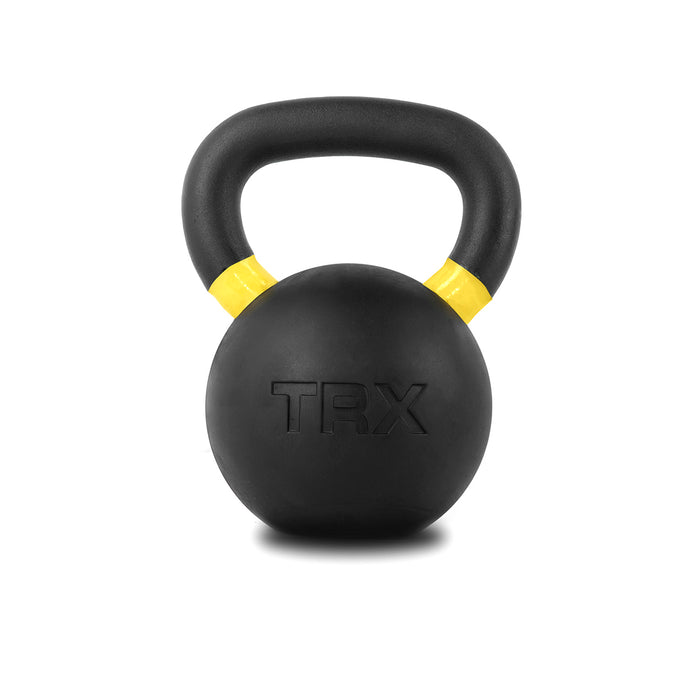
For the Turkish get-up and related movements, choose a tool you can control:
How to Do a Turkish Get-Up With a Dumbbell:
-
Start on the ground in a fetal position on your right side. Hold a dumbbell in your right hand close to your body.
-
Roll onto your back and extend your right arm, punching the dumbbell into the air with your elbow locked. Bring your right heel close to your butt. Keep your gaze on your right hand and the dumbbell.
-
Push through your right heel and roll your body onto your left elbow. Get tall, keeping your left elbow bent at a 90-degree angle and your right arm perpendicular to the ground.
-
Using your left palm, push the floor away and sit tall, keeping your gaze on the dumbbell.
-
Keeping your palm on the ground, lift your torso up while simultaneously sliding your left leg behind you until your left hand, knee, and foot form a straight line.
-
Hinge at your hip and sit on your left heel. Lift your left hand off the ground, bringing your body into a tall kneeling position.
-
Now turn your gaze to look straight ahead while keeping your right arm perpendicular to the ground.
-
Slide your left leg to straighten it behind you, bringing your body into a lunge position.
-
Now stand up.
-
Reverse these movements to bring your body back to the ground and in a fetal position. This is one rep.
-
Repeat for 8 to 10 reps on each side, alternating sides as you go.
A YBell uses multiple handles to change how the load sits in your hand. The center grip creates a dumbbell-style balance. An outer grip creates a bottom-loaded feel similar to a kettlebell. Choose the grip that keeps your wrist steady and the movement controlled.
Pro Tip:
If you're new to functional or strength training, perform this exercise right after your dynamic warm-up but before any movements involving heavy weights. Your muscles will be warmed up, but you won't be too tired to think through each movement.
How to Build a Full-Body Dumbbell Workout
A pair of dumbbells is enough for a full-body workout. For readers without a set, home alternatives to free weights can still cover pulling, squatting, and pressing. These six dumbbell functional exercises cover pulling, squatting, pressing, rotating, bracing, and getting from the floor to standing.
Warm up for 5 to 10 minutes with easy versions of the movements. Complete one to three controlled rounds based on your experience, energy, and form that day.
A Scalable Six-Move Circuit
Move through the exercises in this order. Use 30 to 45 seconds between exercises and 60 to 90 seconds after each round as adjustable starting ranges. Take more time whenever your form needs it.
-
Dumbbell Turkish Get-Up, 1 to 3 reps per side
-
Bent-Over Row, 8 to 12 reps
-
Dumbbell Squat Press, 8 to 12 reps
-
Dumbbell X-Up, 6 to 10 reps per side
-
Plank Dumbbell Drag, 6 to 10 reps per side
-
Jump Squat, 6 to 10 reps
On a lower-impact day, swap jump squats for bodyweight squats and practice the Turkish get-up without a weight. These compound dumbbell exercises for the full body should feel controlled from the first rep to the last.
If you want extra upper-body work, add dumbbell pull exercises or dumbbell push exercises on a separate day or after the circuit, depending on your goals and recovery.
How to Choose a Weight and Progress
Choose a load that lets you keep stable joints and a steady tempo through every planned repetition. Reduce the weight, shorten the range, or use bodyweight if your position changes or you have to rush.
ACSM’s 2026 resistance-training guidance calls for consistent training, work for all major muscle groups at least twice per week, and load and volume matched to your goals.
Progress your dumbbell functional workout one variable at a time. Add a little weight, one or two repetitions, a slightly larger range, or another round.
Should You Use a Dumbbell, Kettlebell, or Multi-Grip Weight?
Choose the tool that keeps the exercise stable and matches the loading pattern you want.
A dumbbell centers the load around your hand, which suits rows and presses. A kettlebell places more of the load below the grip, which changes how swings and carries feel. TRX YBell Pro gives you both positions in one compact weight, plus dual-grip medicine-ball and push-up-stand setups. It is a practical pick when your routine needs variety and your space does not.
Frequently Asked Questions
These answers cover dumbbell suitability, starting loads, full-body programming, and training frequency.
Are Dumbbells Good for Functional Training?
Yes. Functional training with dumbbells lets you load squats, hinges, presses, pulls, rotations, and carries as your body controls the weight through space. Start with movements and loads you can own, then build gradually.
What Dumbbell Weight Should a Beginner Use?
No single starting weight works for every beginner. Pick a dumbbell you can move through the full planned range with stable positions and controlled reps, even near the end of the set. When in doubt, start lighter.
Can These Exercises Make a Full-Body Dumbbell Workout?
Yes. These dumbbell exercises can build full-body strength across your legs, back, chest, shoulders, arms, and core. Use the circuit above as a starting point, then adjust the rounds, reps, and easier options to fit your level.
How Often Should You Do Functional Dumbbell Exercises?
The ACSM guidance above recommends training all major muscle groups at least twice per week. Two nonconsecutive sessions can be a practical starting point. Adjust based on your goals, training history, and recovery.
Get the Best Functional Training Equipment from TRX Training
Dumbbells make full-body strength work possible in a small space. Pair them with other functional exercise equipment to add bodyweight, suspension, or resistance-based options to your program.
Browse our dumbbell equipment if you want dedicated free weights for functional training with weights.
For a multifunctional option, consider YBells. A YBell is a compact, portable tool designed for dumbbell, kettlebell, double-grip medicine ball, and push-up stand exercises. Its multiple handles let you change grips between movements without switching equipment.
For guided training, open the TRX App™ and choose a session that matches your goal and schedule. For more variety, combine dumbbells with suspension training to change the strength and stability demands in your routine.
Your functional routine should fit your goals, your strength, and your space. If separate dumbbells, kettlebells, medicine balls, and push-up stands crowd your floor, one multi-grip weight can cover more of the work. TRX YBell® NEO and YBell Pro are built for those four training positions, with weight options you can match to the six-move circuit above. Compare the two series, choose a load you can control, and put your next functional dumbbell workout on the calendar.
References
American College of Sports Medicine. “ACSM Unveils Landmark 2026 Resistance Training Guidelines.” 17 Mar. 2026.
American Council on Exercise. “How to Design Body-Weight Training Workouts Using the ACE Integrated Fitness Training Model.” ACE Certified, Feb. 2021.
American Council on Exercise. “Bent-Over Row.” ACE Exercise Library.
American Council on Exercise. “Squat Jump.” ACE Exercise Library.
American Council on Exercise. “Squat to Overhead Press.” ACE Exercise Library.
American Council on Exercise. “Supine Bicycle Crunches.” ACE Exercise Library.
American Council on Exercise. “Kettlebells: Twice the Results in Half the Time?” ACE Fitness Matters.
American Council on Exercise. “Turkish Get-Up.” ACE Exercise Library.
What's Your Reaction?
 Like
0
 Dislike
0
 Agree
0
 Disagree
0
 Excellent
0
 Useful
0
 Great
0