


























































.png?format=1500w#)












The Best 6 Day Workout Split to Build Muscle Mass & Strength


Looking for a 6 day gym workout schedule that builds muscle and strength? A six-day split can work if you already have a consistent training base. It spreads your workload across focused sessions and gives each muscle group time away from direct work. If you're new to structured lifting, start with a strength training program to build a solid foundation before jumping into a six-day split.
This schedule lays out six focused training days for your major muscle groups. You'll see which exercises to do, when to train, and how to recover.
If you're on the go, here's the TLDR:
-
Day 1: Push - Chest and Triceps
-
Day 2: Pull - Back and Biceps
-
Day 3: Legs - Hamstrings
-
Day 4: Shoulders and Abs
-
Day 5: Push-Pull Supersets
-
Day 6: Legs - Quads
The details below show how to run the split. Several exercises use the TRX Suspension Trainer™, so practice the movement patterns before adding intensity. Try a class in the TRX App™ if you want coached instruction.
You can find the details below, but this is the six-day gym split that will maximize your gains. Some of the exercises use our TRX suspension trainer, so we recommend familiarizing yourself with the movements. You can try some classes at the TRX App to get started:

Key Takeaways: Building a 6-Day Gym Workout Schedule
-
A 6 day gym workout schedule can build muscle and strength for experienced lifters who recover well, but beginners usually need a lower-frequency plan before training six days each week.
-
TRX Training's functional training equipment brings Suspension Trainers, resistance tools, and compact weights into one collection, giving a mixed-equipment split flexible options for different movement patterns.
-
Current ACSM guidance favors consistent, individualized resistance training and recommends working all major muscle groups at least twice weekly, with about 10 weekly sets per muscle group as a hypertrophy target.
-
Track sets, reps, sleep, soreness, and performance, then reduce volume or use an easier week when recovery trends worsen instead of forcing the original schedule.
6-Day Program at a Glance
-
This six-day gym workout plan is designed for experienced lifters who can recover from frequent training. Session length is flexible and changes with exercise choices, sets, and rest periods.
-
Training level: Intermediate to advanced
-
Frequency: Six training days plus one full rest day
-
Session length: Flexible based on exercise choices, sets, and rest periods
-
Equipment: A gym setup, TRX tools, or other functional training equipment
-
Primary goal: Build muscle and strength
How a 6-Day Workout Split Works
A six-day workout split assigns a muscle group or training goal to each session. The schedule below avoids direct work for the same area on back-to-back days.
Types of 6-Day Workout Splits
The best 6 day workout split matches your goals, schedule, and ability to recover. If you are comparing the best gym split for 6 days, use this table to choose a structure you can repeat consistently.
|
Split |
Weekly pattern |
Best fit |
Main benefit |
Recovery consideration |
|
Push/Pull/Legs |
Push, pull, legs, then repeat |
Balanced muscle and strength work |
Trains related movement groups twice weekly |
Six-day rhythm leaves little schedule flexibility |
|
Upper/Lower |
Alternate upper and lower body for six days |
Strength-focused lifters who recover well |
Frequent practice of key lifts |
Each area trains three times, so volume needs careful management |
|
Arnold |
Chest and back, shoulders and arms, legs, then repeat |
Experienced lifters who enjoy paired muscle groups |
Efficient, high-volume sessions |
Arm and shoulder overlap can add fatigue |
|
Bro split |
One muscle group daily, plus a weak-point day |
Lifters who prefer focused sessions |
High attention on one area per workout |
Most muscles may train once weekly unless you adjust the plan |
Each option spreads training across the week, but the recovery demands differ.
What Equipment Do You Need for a 6-Day Split?
Six-day training requires enough resistance and exercise variety to cover major movement patterns, but it does not require a machine for every exercise. TRX Training offers compact options, including Suspension Trainers, YBell weights, and the Rip Trainer. Choose the tools that fit your plan, then repeat the same key exercises long enough to track progress.
Whether you choose to follow this split by joining a gym or working out at home depends on your access to equipment, personal preferences, and lifestyle.
Gyms offer a wide range of machines and weights. Home workouts offer more flexibility and convenience.
Choose the setting that helps you train consistently.
Use equipment that fits your chosen exercises, whether you train at a gym or at home.
Try This 6 Day Workout Split for Muscle Gain
This 6 day gym workout schedule for muscle gain is one workable template, not the best workout split for muscle gain for everyone. The best workout plan for muscle gain fits your training history, equipment, recovery, and schedule. Your best workout schedule for muscle gain is one you can repeat with sound form and steady performance.
Take our quick fitness assessment quiz for help choosing a workout split that fits your situation.
This balanced six-day schedule targets different muscle groups across the week.
Each session focuses on strength work and muscle development.
-
Monday: Push Focus - Chest and Triceps
-
Tuesday: Pull Focus - Back and Biceps
-
Wednesday: Leg Day - Hamstrings Focus
-
Thursday: Shoulders and Abs
-
Friday: Push/Pull Combos
-
Saturday: Leg Day - Quad Focus
This plan uses barbells, dumbbells, cables, and TRX tools. Browse our resistance training equipment and strength training equipment before you start.
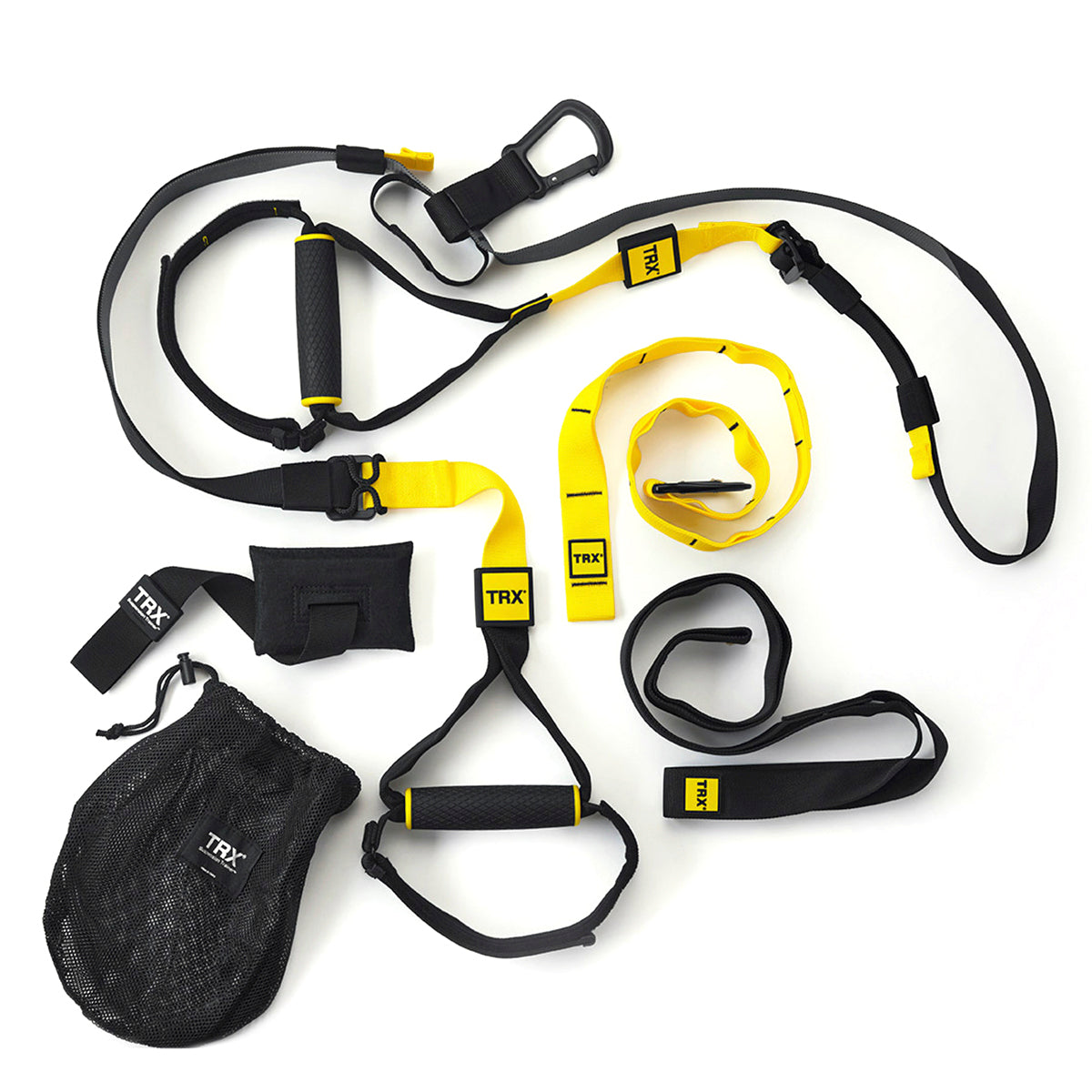
TRX® PRO4 SYSTEM BUY NOW: its resistance increases or decreases with body angle.
TRX® RIP TRAINER BUY NOW: designed for rotational training.
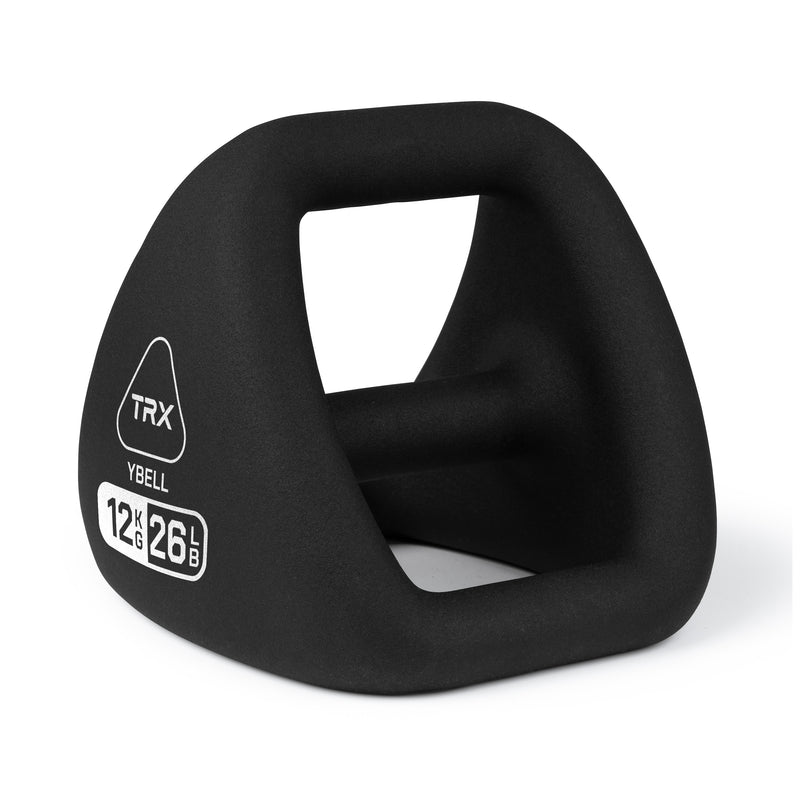
TRX® YBELL NEO BUY NOW: a compact weight that can function as a dumbbell, kettlebell, medicine ball, and push-up stand.
Here's some of the gear we'll use. We recommend you check out our resistance training equipment and strength training equipment before you get started as well.

Best Muscle Groups to Train Together in a 6-Day Split
This schedule groups related movement patterns so each session has a clear focus and other areas get time away from direct work. The table shows five practical pairings used in this plan.
|
Muscle pairing |
How this plan groups them |
Where it appears |
|
Chest and triceps |
This plan puts pressing movements and triceps work in the same session. |
Day 1 |
|
Back and biceps |
This plan puts rows, pull-ups, and biceps work in the same session. |
Day 2 |
|
Hamstrings and glutes |
This plan groups hip hinges, bridges, and hamstring curls. |
Day 3 |
|
Shoulders and abs |
This plan groups overhead work with trunk-focused exercises. |
Day 4 |
|
Quads and calves |
This plan groups knee-dominant leg exercises with calf work. |
Day 6 |
Day 1: Push - Chest and Triceps
Use this push-focused session to train your chest and triceps together.
Combine compound movements with isolation exercises to train both muscle groups through different movement patterns.
Barbell Bench Press:
-
Reps: 8-12
-
Sets: 3
-
Rest Time: 2 minutes
Dumbbell Flyes:
-
Reps: 10-15
-
Sets: 3-4
-
Rest Time: 90 seconds
Incline Dumbbell Press:
-
Reps: 8-12
-
Sets: 4-5
-
Rest Time: 2 minutes
TRX Suspended Push-Ups:
-
Reps: 10-15
-
Sets: 3
-
Rest Time: 60 seconds
RIP Trainer Chest Press
-
Reps: 10-15
-
Sets: 3
-
Rest Time: 60 seconds
Tricep Dips:
-
Reps: 8-12
-
Sets: 4-5
-
Rest Time: 2 minutes
TRX Tricep Extension:
-
Reps: 8-12
-
Sets: 3
-
Rest Time: 60 seconds
Day 2: Pull Focus - Back and Biceps
Train your back and biceps with this pull-focused workout!
Rows and pull-ups build upper-body strength and improve your posture.
Use weights, a TRX Suspension Trainer, and a TRX rip trainer. Then get to work.
TRX Low Rows:
-
Reps: 10-15
-
Sets: 3
-
Rest: 45 seconds
Bent-Over Barbell Rows:
-
Reps: 8-12
-
Sets: 4
-
Rest: 60-90 seconds
Pull-Ups:
-
Reps: 6-10
-
Sets: 3
-
Rest: 2 minutes
Single-Arm Dumbbell Rows:
-
Reps: 10-12 per arm
-
Sets: 3
-
Rest: 45 seconds
TRX Rip Trainer High Row:
-
Reps: 12-15
-
Sets: 3
-
Rest: 45 seconds
Barbell Curls:
-
Reps: 8-12
-
Sets: 3
-
Rest: 60 seconds
Hammer Curl:
-
Reps: 8-12
-
Sets: 3
-
Rest: 60 seconds
Day 3: Leg Day - Hamstrings
Shift your focus to the hamstrings and glutes. This session pairs hip hinges, curls, and bridges to train the back of your lower body.
Romanian Deadlifts:
-
Reps: 8-12
-
Sets: 4
-
Rest: 60-90 seconds
Single-Leg Glute Bridges:
-
Reps: 10-12 per leg
-
Sets: 3
-
Rest: 45-60 seconds
TRX Hamstring Curls:
-
Reps: 12-15
-
Sets: 3
-
Rest: 45-60 seconds
Nordic Hamstring Curls:
-
Reps: 6-8
-
Sets: 3
-
Rest: 60-90 seconds
Seated Leg Curl Machine:
-
Reps: 8-12 per leg
-
Sets: 3
-
Rest: 45-60 seconds
Barbell Hip Thrusts:
-
Reps: 8-12 per leg
-
Sets: 3
-
Rest: 2 minutes
What Can Suspension Training Replace in a 6-Day Split?
Suspension training can replace some weight-room movements without replacing every exercise. The TRX PRO4 adjusts resistance through body angle, which makes rows, presses, squats, and core work easier or harder to scale. Keep barbells or dumbbells for lifts where precise load jumps matter, and use the straps for exercises that benefit from quick adjustments. That mix keeps the split's movement pattern without forcing one tool into every session.
Day 4: Shoulders and Abs
Build shoulder strength and trunk control with this focused session.
The mix of presses, raises, planks, and pikes gives you several ways to challenge both areas.
Work through these exercises.
Shoulder Press:
-
Reps: 10-12
-
Sets: 3
-
Rest: 60 seconds
Plank:
-
Reps: Hold for 30-60 seconds
-
Sets: 3
-
Rest: 30 seconds
Lateral Raises:
-
Reps: 12-15
-
Sets: 3
-
Rest: 45 seconds
TRX Pike
-
Reps: 10-12
-
Sets: 3
-
Rest: 30 seconds
Arnold Press:
-
Reps: 8-10
-
Sets: 3
-
Rest: 60 seconds
TRX Side Plank
-
Reps: Hold for 20-30 seconds per side
-
Sets: 3
-
Rest: 45 seconds
RIP Trainer Plank
-
Reps: Hold for 30-40 seconds
-
Sets: 3
-
Rest: 45 seconds
If you want to train your abs at different angles, grab a bench and sub in some bench ab exercises to get the full experience.
Day 5: Push-Pull Supersets
Push-pull supersets pair opposing movement patterns in the same session.
Alternate each pushing exercise with its paired pulling exercise, then rest after the pair.
This format keeps the session moving and trains your chest, shoulders, back, and arms.
TRX Chest Press & TRX Mid Row
-
Reps: 12-15
-
Sets: 3
-
Rest: 45 seconds between sets
Push-ups & Seated Cable Rows:
-
Reps: 10-12
-
Sets: 3
-
Rest: 60 seconds between sets
Close-Grip Bench Press & Lat Pulldowns:
-
Reps: 10-12
-
Sets: 3
-
Rest: 60 seconds between sets
Dumbbell Overhead Tricep Extensions & Barbell Bicep Curls:
-
Reps: 12-15
-
Sets: 3
-
Rest: 45 seconds between sets
Day 6: Leg Day - Quad Focus
Use this quad-focused session to train knee-dominant strength and single-leg control.
Squats, lunges, and presses place most of the work on your quadriceps.
For this leg day, you’ll mostly use barbells, dumbbells, and some leg workout machines.
Bodyweight work can round out the session by challenging control and coordination. The plan includes TRX Suspension Trainer movements for that purpose.
Barbell Back Squats:
-
Reps: 8-12
-
Sets: 4
-
Rest: 2 minutes
Dumbbell Lunges:
-
Reps: 10-12 per leg
-
Sets: 3
-
Rest: 2 minutes
Leg Press:
-
Reps: 12-15
-
Sets: 3
-
Rest: 1-2 minutes
Bulgarian Split Squats:
-
Reps: 10-12 per leg
-
Sets: 3
-
Rest: 1 minute
TRX Pistol Squats:
-
Reps: 8-10 per leg
-
Sets: 3
-
Rest: 1-2 minutes
Calf Raises (Machine or Standing):
-
Reps: 15-20
-
Sets: 3
-
Rest: 1-2 minutes
TRX Rip Trainer Knee Strike:
-
Reps: 12-15 per leg
-
Sets: 3
-
Rest: 1 minute
Start each workout with a dynamic warm-up to prepare for the session.
Choose loads and reps that match your current level. Increase the challenge only when you can keep sound form.
Our 6-day workout split is meant to act as a baseline.
Use this split as a starting point, and substitute exercises that fit your needs.
Swap weighted exercises for bodyweight alternatives when you need less load or equipment. Use the exercises in the TRX App™ for ideas.
How to Progress This 6-Day Workout Schedule
Progress comes from gradually increasing the challenge over time. Keep the plan stable long enough to track each exercise, set, rep, and load.
-
Add a rep before adding load. Once you reach the top of the rep range with sound form, increase the weight slightly and build up again.
-
Keep the movement clean. A heavier load only counts as progress when you can control it through the full range of motion.
-
Adjust your TRX body angle. Move your feet closer to the anchor to increase resistance, or farther away to scale the exercise back.
-
Track weekly volume. Add hard sets only when your recovery and performance stay steady.
-
Take an easier week when performance drops, sleep worsens, or soreness keeps building. Reduce the load, the number of sets, or both, then return gradually.
Use these TRX workout plans for fresh exercise options without losing the structure of your program.
How to Recover From Your 6 Day Workout Split
Recovery matters as much as the training sessions. Sleep, nutrition, and low-intensity movement help you handle frequent workouts. For a bodyweight-only challenge on a separate training day, try our Navy SEAL workout program. Keep the rest day easy. If you include a zone 2 cardio session, keep it low intensity rather than turning the rest day into another hard workout.
If marathon training is also part of your week, separate easy aerobic work from hard lifting and monitor how your legs recover.
Here’s what you’ll want to do:
-
Aim for at least 7 hours of sleep per night, with individual needs varying.
-
Choose low-impact movement, such as yoga, on active recovery days.
-
Eat regular meals with protein, carbohydrates, and fats.
-
Use static and dynamic mobility exercises as needed.
-
Listen to your body and adjust your training as needed.
Adjust the 6-day workout split to match your goals, schedule, and recovery. Keep the seventh day free from hard training.
Can Everyone Do a 6-Day Workout?
A 6-day routine suits lifters who already recover well from frequent training. If you're returning from a break or starting out, use our strength training program or 4-week workout plan to build your conditioning first. A 5-day workout split offers a middle ground with more built-in recovery.
Before you commit to six training days, check that the routine fits your current recovery capacity:
-
You have a consistent strength-training history and can complete your current program without form breaking down.
-
You regularly get at least 7 hours of sleep and wake up ready to train.
-
You eat enough to support training and can plan regular meals with protein, carbohydrates, and fats.
-
Your schedule leaves room for six focused sessions plus one full rest day.
-
Normal soreness settles between sessions, and your strength or rep performance stays stable or improves.
Beginners may find six training days hard to sustain. A workout split for beginners should leave enough recovery time to keep soreness, sleep, and performance from trending the wrong way.
Experienced lifters who recover well may benefit from a 6-day workout schedule.
Build each week around different muscle groups or intensity levels to manage repeated training days.
Practice Proper breathing when exercising so each repetition stays controlled.
Work, sleep, and nutrition determine whether this routine is practical and sustainable.
Start with a manageable plan, track performance, and adjust when recovery changes.
Is a 6-Day Training Split Effective?
-
A 6-day training split can be effective when total weekly work, effort, and recovery fit the lifter. Use these factors to decide whether six sessions support your goals.
-
Volume and Frequency: A 6-day split spreads weekly work across more sessions. You can train each muscle group more often, but frequency should match your total volume and recovery.
The meta-analysis by Schoenfeld, Ogborn, and Krieger (2016) helped frame the training-frequency debate, but it should not be read as proof that two weekly sessions are always superior when total volume is equal. Current guidance from the American College of Sports Medicine recommends training every major muscle group at least twice weekly. It lists about 10 weekly sets per muscle group as a hypertrophy target and stresses adjustments for your goals and recovery. The best split for muscle growth is the one you can perform consistently with sound form.
Spreading the workload across multiple days can make higher weekly volume easier to manage.
-
Targeted Training: Assign each day to a muscle group or movement pattern. This gives lagging areas more focused work without turning every session into a full-body workout.
-
Training Intensity: Focused sessions let you direct effort toward fewer movement patterns. Keep the load and effort within ranges you can recover from across the week.
-
Recovery and Adaptation: Schedule enough time between repeated muscle-group sessions. Support the plan with adequate food, sleep, and stress management.
-
Individual Factors: Match the split to your training experience, schedule, and preferences. Six days may suit experienced lifters with the time and recovery capacity to follow the plan consistently.
A 6-day split works when it matches your goals, recovery capacity, and lifestyle.
Listen to your body, monitor your progress, and adjust the program when performance or recovery changes.
FAQ
These answers cover common questions about schedule, frequency, and duration in a six-day training schedule.
Is Working Out 6 Days a Week Too Much?
It depends on your experience and recovery. A well-structured 6-day split spreads volume across the week, but the plan still demands consistent sleep, nutrition, and a full rest day.
Can I Train the Same Muscle Group Twice a Week on a 6-Day Split?
Yes. A push pull legs split can train each muscle group twice a week by spreading hard sets across multiple sessions. Current ACSM guidance recommends training major muscle groups at least twice weekly, but weekly volume, recovery, and consistency still shape results.
What Should a 6-Day Workout Split Look Like?
A common option is the Push/Pull/Legs split repeated twice (see the sample program above). Each day focuses on a movement pattern, and every muscle group gets trained twice per week with built-in recovery.
How Long Should I Follow a 6-Day Split?
Follow the same program long enough to judge progress in reps, load, form, and recovery. Adjust exercises or volume sooner if pain, declining performance, or poor recovery appears.
Build a Six-Day Plan You Can Keep
A 6 day gym workout schedule leaves little room for guesswork. Your equipment and program should make each session easy to set up, scale, and repeat. TRX Training brings more than 20 years of functional-training experience to portable tools and coach-led workouts that fit a mixed-equipment split. Start with the TRX Suspension Trainer, YBell, or Rip Trainer that matches your plan, then use the TRX App to choose guided sessions for your training days. Explore TRX training tools and build a setup you will use all week.
What's Your Reaction?
 Like
0
 Dislike
0
 Agree
0
 Disagree
0
 Excellent
0
 Useful
0
 Great
0